
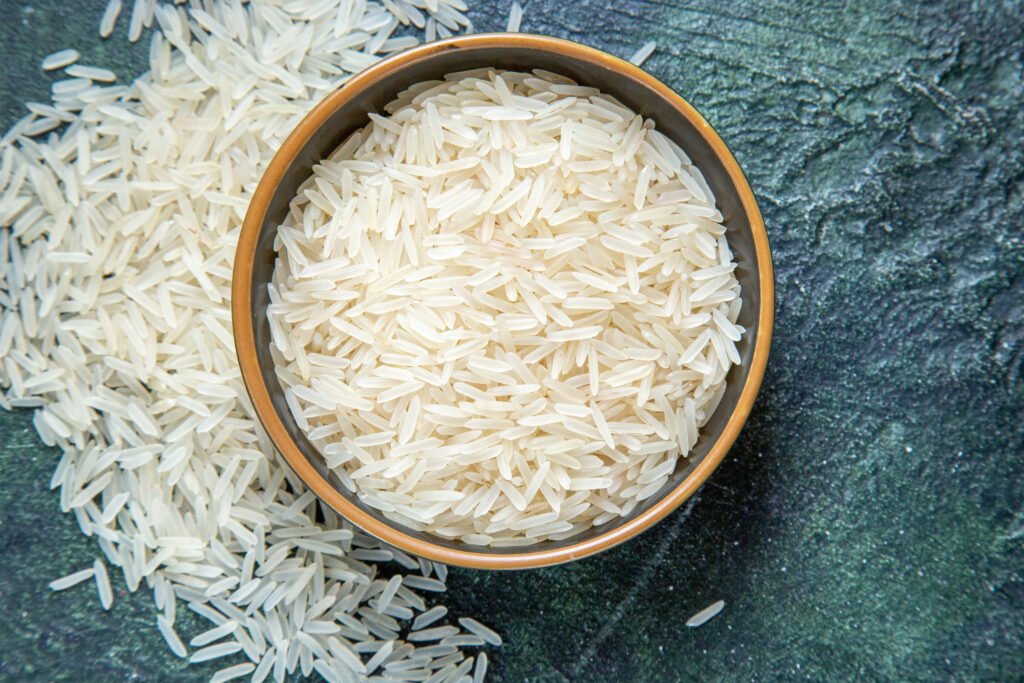
India is known for its diverse range of rice varieties, each with its own unique characteristics in terms of flavor, aroma, texture, and preferred uses. Here are some popular varieties of rice from India:
Basmati Rice:
Basmati rice is one of the most famous and aromatic varieties, known for its long grains and distinctive fragrance. It is primarily grown in the northern regions of India, including Punjab, Haryana, Himachal Pradesh, and Uttarakhand.
Non-Basmati Rice:
There are several non-Basmati rice varieties that are widely cultivated in different parts of India. Some examples include:
Sona Masuri: Grown in Andhra Pradesh and Karnataka, it has a medium grain and is often used in South Indian cuisine.
Pusa Basmati: A non-Basmati aromatic rice variety developed by the Indian Agricultural Research Institute (IARI).
IR 64: Known for its long grains and often used for making biryani, it is grown in states like Andhra Pradesh, Telangana, and Karnataka.
Jeerakasala Rice:
This aromatic rice is popular in the southern state of Kerala. It is known for its unique small and round grain, and it is often used in the preparation of traditional dishes in Kerala.
Ambemohar Rice:
Cultivated in the western state of Maharashtra, Ambemohar rice is characterized by its pleasant aroma. It is commonly used in the preparation of sweets and traditional Maharashtrian dishes.
Kalijira Rice:
Also known as baby basmati, Kalijira rice is a small-grained aromatic rice grown in West Bengal. It is often used in the preparation of special dishes and desserts.
Red Rice:
Grown in states like Kerala and Karnataka, red rice varieties are known for their unique color and nutty flavor. They are considered to be healthier due to their higher nutritional content.
Chinnor Rice:
Grown in the state of Madhya Pradesh, Chinnor rice has long grains and is often used for making biryani.
Kala Namak Rice:
Grown in parts of Uttar Pradesh, this rice variety is known for its blackish color and is often used in the preparation of traditional dishes.
These are just a few examples, and there are many more regional varieties across India, each contributing to the rich tapestry of Indian cuisine. The choice of rice often depends on regional preferences, culinary traditions, and the specific dish being prepared.